
Air Freight Australia Wide
How Air Freight Connects Major Cities, Regional Centres, and Remote Australia
Air freight keeps Australia moving by linking businesses, industries, and communities across vast distances with speed, reach, and operational flexibility.
Air Freight Documentation for Domestic Shipments

Written by Jake Dalgarno
Jake Dalgarno is the editorial voice behind snpy.tv, specialising in air freight across Australia. He writes practical, expert-led content that helps readers understand domestic air cargo, urgent freight movement, regional logistics, and the realities of shipping across a vast national network.
Air freight documentation for domestic shipments is one of the least glamorous parts of freight, but it is also one of the most important. When people think about air cargo, they usually focus on aircraft, speed, airport movement, and urgent deliveries. What they often miss is that none of those things work smoothly without correct freight information behind the shipment.
In domestic air freight, documentation is not just paperwork for the sake of paperwork. It is the system that tells the cargo network what the shipment is, where it is going, how it should be handled, and whether there are any conditions that affect its movement. When those details are accurate, freight can move cleanly through acceptance, terminal handling, flight processing, and final release. When they are wrong, delays and confusion follow quickly.
That is why documentation matters so much. Air freight runs on timing, and timing depends on accuracy.
This article explains what air freight documentation means for domestic shipments in Australia, what information is usually involved, why it matters, and where documentation errors create avoidable problems.
Why Documentation Matters in Domestic Air Freight
Domestic air freight moves through a faster, more controlled operating environment than many other transport modes. That means information quality matters from the beginning.
A shipment can be physically ready to move, packed well, and urgently needed, but if the documentation is unclear, incomplete, or inaccurate, the process can still break down. Documentation helps the freight network answer the essential questions:
- What is the cargo?
- Where is it going?
- Who is sending it?
- Who is receiving it?
- How much does it weigh?
- How should it be handled?
- Are there any restrictions or special conditions?
- Is the shipment information consistent with the physical cargo?
Without those answers, the movement chain becomes uncertain. And uncertainty is a problem in air freight, because the system relies on precision.
That is the first point to understand. Documentation is not a side task. It is part of the freight process itself.
What Domestic Air Freight Documentation Actually Includes
Domestic air freight documentation can cover a range of shipment information, depending on the cargo, the route, and the handling needs. Not every shipment requires the same level of paperwork, but most will involve a core set of details that support transport accuracy.
At a practical level, domestic shipment documentation often includes information such as:
- sender details
- receiver details
- origin and destination
- shipment references
- number of pieces
- actual weight
- dimensions
- description of goods
- handling instructions
- contact details
- labelling information
- any special declarations where relevant
The point is not only to record information. The point is to make the shipment understandable to the freight chain from origin through to destination.
Documentation Supports Movement, Not Just Record-Keeping
One of the biggest misconceptions is that freight documentation mainly exists for administrative filing. That view is too narrow.
In domestic air freight, documentation supports movement in real time. It helps guide acceptance, terminal handling, loading logic, routing, release, and final delivery coordination. The information is active. It is used to move the shipment, not just to record that it existed.
That is why even small errors can create larger problems. A missing destination detail, incorrect weight, unclear description, or mismatched label may seem minor on paper, but inside a time-sensitive freight environment, those details affect flow.
So documentation is operational, not just clerical.
The Role of Shipment Details
At the centre of domestic air freight documentation are the shipment details themselves.
These details create the identity of the cargo within the transport system. If they are wrong, the cargo may still exist physically, but the system cannot process it properly.
Important shipment details usually include:
Origin and Destination
The cargo needs to be clearly linked to where it starts and where it must arrive. This sounds obvious, but clarity matters, especially in structured terminal environments where freight is moving quickly.
Sender and Receiver Information
The parties connected to the shipment need to be clearly identified so the freight can be accepted, released, and coordinated correctly.
Piece Count
How many items are included in the shipment? This matters for control, handling, and confirmation at different stages.
Weight and Dimensions
These details affect acceptance, space planning, handling, and freight rating logic.
Cargo Description
A vague or unclear description creates uncertainty. The freight system needs to know what the shipment actually is.
These are not decorative details. They are the basic operating language of freight movement.
Why Clear Cargo Descriptions Matter
Cargo descriptions are often underestimated, but they matter more than people think.
A shipment described too vaguely may raise handling uncertainty. A shipment described inaccurately may affect acceptance or internal processing. A description that does not match the actual nature of the goods can slow the shipment down or create avoidable operational questions.
The goal of a cargo description is not to sound technical for its own sake. The goal is to be clear enough that the shipment can be understood and handled appropriately.
For example, the system needs to distinguish between general goods, fragile items, sensitive equipment, perishable products, or cargo that may require declaration or special treatment. The clearer the description, the easier it is to move the shipment correctly.
This is especially important in domestic air freight because the process is built around speed. Clarity protects speed.
Weight, Dimensions, and Why Accuracy Matters
Weight and dimensions are not just pricing inputs. They also affect how the freight is handled and planned.
In air freight, incorrect weight or size information can create several problems:
- space planning may be affected
- handling expectations may be wrong
- chargeable weight calculations may be inaccurate
- loading assumptions may need revision
- the shipment may not align with the booking details
This is why documentation needs to reflect the physical reality of the cargo. A shipment cannot move smoothly through a controlled system if the information says one thing and the freight presents another.
Many documentation problems begin here. Not because the goods are unusual, but because basic accuracy was treated casually.
Labelling as Part of the Documentation Process
Labelling is often seen as separate from documentation, but in practice it is closely connected.
A label is the physical expression of the shipment information. It helps link the cargo itself to the documentation that supports its movement. If the paperwork says one thing and the labels say another, confusion follows.
Good labelling helps with:
- shipment identification
- destination visibility
- handling clarity
- terminal processing
- piece reconciliation
- final release control
In other words, labels help carry the documentation into the physical handling environment. They are part of the same discipline: making the shipment easy to understand and move correctly.
Handling Instructions and Special Requirements
Some domestic shipments are straightforward. Others need more care.
Where relevant, documentation may need to communicate handling instructions clearly. That could involve cargo that is fragile, time-sensitive, temperature-aware, orientation-sensitive, or otherwise dependent on clear movement guidance.
The purpose of handling information is not to add complexity. It is to reduce mishandling risk and prevent assumptions. Air freight environments move quickly. If special needs are not communicated properly, the system may default to general handling logic, which is not always appropriate.
So where a shipment requires attention beyond ordinary freight treatment, documentation has to make that visible.
Declarations and Regulated Cargo Information
Not all domestic freight is general cargo in the simplest sense. Some shipments may involve items that require declarations, additional information, or compliance-related handling.
This is where documentation becomes even more important. If the shipment includes regulated or sensitive cargo, the information supporting it cannot be vague. Accuracy becomes critical.
The exact requirements depend on the nature of the goods, but the broader point is straightforward: when cargo falls outside standard assumptions, the documentation burden increases because the freight system needs stronger clarity and control.
This is not an area where guesswork works well. If a shipment needs formal declaration, that requirement must be handled properly from the start.
Documentation and Freight Acceptance
Documentation plays a major role at the acceptance stage.
When freight is presented for domestic air transport, the shipment is not simply received on trust. The information associated with it helps determine whether it can enter the system cleanly. Acceptance depends on the freight making sense in practical terms.
That includes questions like:
- Does the cargo match the description?
- Do the labels align with the shipment details?
- Is the weight information believable and usable?
- Are there any obvious inconsistencies?
- Is any required special information missing?
If the documentation does not support the shipment properly, acceptance can become slower or more complicated. That is one reason experienced freight users take this stage seriously. A preventable documentation issue at origin can damage the entire timing outcome.
Documentation Reduces Delays
The most practical value of good domestic air freight documentation is that it reduces avoidable delay.
A freight system already has enough real-world pressure to manage. There are cut-off times, handling windows, aircraft timing, route coordination, arrival processing, and final release stages. Poor documentation adds unnecessary friction to a process that already runs on tight timing.
Good documentation helps reduce:
- acceptance delays
- routing confusion
- handling mistakes
- release issues
- shipment mismatches
- communication breakdowns
- avoidable rework
That is why accurate paperwork has a direct relationship with service quality. It is not only about compliance. It is about keeping the shipment moving.
Common Documentation Mistakes in Domestic Air Freight
Most documentation problems are not dramatic. They are ordinary mistakes that become costly because they appear in a time-sensitive environment.
Common issues include:
- incorrect consignee or sender details
- unclear delivery location information
- vague cargo descriptions
- inaccurate weight or dimensions
- missing piece counts
- mismatched labels
- incomplete contact details
- absent handling instructions where needed
- late corrections after freight has entered the process
These errors are often avoidable. They usually come from rushing, assumptions, or weak checking discipline rather than from complexity itself.
That is worth saying clearly: most freight documentation failures are not caused by advanced technical difficulty. They are caused by carelessness with basic details.
Why Small Errors Create Bigger Problems
A small documentation error can create a surprisingly large operational problem because the freight chain is interconnected.
For example, if the destination detail is wrong, the cargo may be misrouted or held. If the weight is wrong, terminal planning may be affected. If the receiver information is incomplete, release can become slower. If the description is unclear, the cargo may require clarification before movement continues.
In slower freight environments, some of these issues may be absorbed more easily. In domestic air freight, the process window is tighter. That means the cost of correction is often higher.
This is why documentation needs discipline even when the shipment seems routine.
The Relationship Between Documentation and Trust
Documentation also affects trust within the freight process.
When a shipment arrives with clean, accurate, and consistent information, it signals control. It tells the handling side that the cargo has been prepared properly. It reduces uncertainty and makes the movement process more predictable.
When the documentation is messy, vague, or contradictory, it creates doubt. And in freight, doubt slows things down.
That is why documentation is not only a technical requirement. It is also a trust mechanism between the shipment source and the movement system.
Domestic Documentation Is Simpler Than International, But Still Important
Domestic air freight documentation is generally less complex than international freight documentation. There are fewer border-related issues, fewer external clearance layers, and less cross-jurisdictional paperwork.
But that does not mean domestic documentation is casual or unimportant.
The role is different. Domestic documents may not carry the same customs burden as international paperwork, but they still have to support:
- transport accuracy
- handling clarity
- route alignment
- shipment traceability
- release efficiency
- operational timing
So while domestic freight may involve fewer external formalities, the need for clean information remains very real.
Good Documentation Starts Before the Shipment Moves
One of the best ways to understand freight documentation is to see it as part of shipment preparation, not something added at the end.
If the cargo is measured properly, described properly, labelled properly, and checked properly before it enters the network, the documentation is usually stronger. If the shipment is rushed without information control, the paperwork tends to reflect that weakness.
This means good documentation is less about last-minute form filling and more about disciplined preparation.
That is the real professional standard. Not paperwork for appearance, but information readiness that supports movement.
Documentation Protects Speed
For domestic air freight, speed is one of the main reasons the transport mode exists. Documentation helps protect that speed.
It does this by making the shipment easier to identify, easier to accept, easier to handle, easier to route, and easier to release. In other words, documentation keeps the freight chain legible.
That may not sound exciting, but it is operationally powerful. Freight that is easy to understand is freight that is easier to move.
Final Thoughts
Air freight documentation for domestic shipments is a core part of transport accuracy, not just an administrative extra. It gives the shipment an identity within the cargo system and helps make movement possible from origin through to destination.
In Australia’s domestic air freight environment, where timing and coordination matter, documentation supports acceptance, handling, routing, and final release. When it is accurate, the cargo process becomes smoother. When it is weak, small mistakes can turn into larger delays.
That is why documentation deserves more attention than it usually gets. In air freight, paperwork is not separate from movement. It is one of the things that makes movement work.
For a broader view of the subject, read our main guide to domestic air freight in Australia, where we explore operations, pricing, route structure, urgent shipments, and the wider role of domestic air cargo across the country.
Related Articles
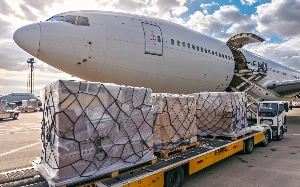
A clear introduction to domestic air freight, including what it means, how it works, and why it matters for urgent and interstate cargo in Australia.

Explore how domestic air cargo moves through Australia, from freight acceptance and handling to flight movement, arrival, and delivery flow.
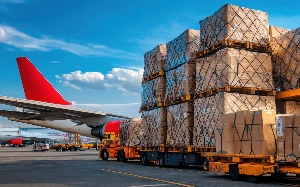
An overview of key domestic air freight routes in Australia, covering major city links, regional corridors, and the role of route demand in cargo movement.
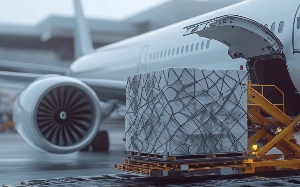
Understand how urgent and time-critical air freight supports fast-moving shipments, priority cargo, and domestic deliveries that cannot afford delay.
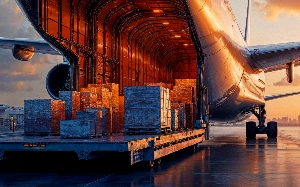
A practical look at the documents and shipment details that help domestic air freight move accurately, safely, and efficiently across Australia.

Learn what shapes air freight pricing in Australia, including chargeable weight, shipment urgency, route demand, and handling requirements.
Discover why air freight is essential for regional and remote Australia, where distance, access, and timing can make cargo movement more complex.

Compare air freight and road freight for domestic deliveries in Australia, including differences in speed, cost, flexibility, and shipment suitability.
SNPY
Australia’s Air Freight Journal
Built with an expert editorial approach, snpy.tv covers air freight Australia wide through useful, relevant, and semantically rich content. Readers can explore how domestic air cargo supports urgent deliveries, interstate trade, regional logistics, and the broader transport network that keeps Australia connected.