
Air Freight Australia Wide
How Air Freight Connects Major Cities, Regional Centres, and Remote Australia
Air freight keeps Australia moving by linking businesses, industries, and communities across vast distances with speed, reach, and operational flexibility.
How Air Freight Pricing Works in Australia

Written by Jake Dalgarno
Jake Dalgarno is the editorial voice behind snpy.tv, specialising in air freight across Australia. He writes practical, expert-led content that helps readers understand domestic air cargo, urgent freight movement, regional logistics, and the realities of shipping across a vast national network.
Air freight pricing in Australia can look confusing from the outside. Many people assume the cost is based only on how heavy a shipment is or how far it needs to travel. In reality, pricing is shaped by a wider mix of factors, including weight, dimensions, urgency, route demand, cargo type, handling requirements, and the operational realities of moving freight through the domestic air network.
That is the first thing to understand. Air freight pricing is not built on one simple rule. It is built on the commercial logic of speed, space, timing, and network pressure.
This matters because air freight is usually chosen when time has value. A shipment moving by air is not only paying for transport. It is paying for faster movement, tighter timing, and access to a system that can reduce the cost of delay. That is why domestic air freight in Australia tends to be priced differently from slower freight modes.
This article explains how air freight pricing works in Australia, what factors influence cost, why dimensions matter as much as weight in many cases, and how businesses should think about air freight charges in a practical way.
Air Freight Pricing Is About More Than Weight
The most common misunderstanding is that freight pricing is simply a matter of kilograms.
Weight absolutely matters, but it is only one part of the picture. In air freight, space matters just as much. Aircraft do not only carry heavy cargo. They also carry bulky cargo, and bulky cargo can consume valuable capacity even when it is relatively light.
That is why pricing often reflects not only what a shipment weighs physically, but how much space it occupies in relation to its weight.
This is one of the core principles of air freight pricing. A shipment may be light in actual kilograms but still costly to move if it takes up too much room. In an aircraft environment, space is not free. It is part of the commercial value of the service.
The Two Core Measurements: Actual Weight and Volumetric Weight
To understand pricing properly, you need to understand the difference between actual weight and volumetric weight.
Actual Weight
This is the physical weight of the shipment on the scale. It is the straightforward measurement most people expect.
Volumetric Weight
This reflects the amount of space the cargo takes up relative to its size. A shipment may be lightweight but large in shape, which means it occupies more cargo space than its physical weight alone would suggest.
In air freight, pricing often uses the higher of the two. That means the shipment may be charged according to actual weight or volumetric weight, depending on which figure is greater.
This is where many people get caught off guard. They think a light shipment should automatically be cheap, but if it is bulky, the pricing logic changes. From the carrier’s point of view, the cargo still uses valuable aircraft capacity.
What Chargeable Weight Means
The term chargeable weight is central to understanding air freight pricing.
Chargeable weight is the figure used to determine the freight cost. It is usually whichever is greater:
- the actual weight, or
- the volumetric weight
This approach exists because air cargo pricing has to reflect both mass and space. A shipment that is dense and compact may be charged by actual weight. A shipment that is large but light may be charged by volumetric weight.
So when businesses ask why their air freight cost seems higher than expected, the answer is often found here. They are not paying only for kilograms. They are paying for the shipment’s commercial footprint inside the aircraft and freight system.
Why Space Matters So Much in Air Freight
Air freight is different from many other transport modes because aircraft capacity is limited, expensive, and highly time-sensitive.
Every shipment loaded onto an aircraft uses part of a controlled space environment. That space has to be managed carefully because the aircraft cannot simply expand to accommodate extra cargo. Once capacity is committed, it is committed.
That is why bulky cargo can affect pricing so strongly. Even if it is not especially heavy, it may block space that could otherwise be used for other shipments. In commercial terms, that space has value.
This is one of the clearest reasons air freight pricing can feel less intuitive than road freight pricing. In air cargo, size is often just as important as weight because size competes directly for aircraft room.
Distance Matters, But Not by Itself
Distance is clearly part of air freight pricing in Australia, but it does not work in a simple linear way.
A longer route generally increases the commercial value of air transport because more distance is being covered quickly. But pricing is not determined by kilometres alone. Route structure, demand, aircraft availability, and timing pressures also affect how freight is priced.
For example, a long interstate shipment may be priced higher partly because of the route length, but also because it draws on a more valuable time-saving service. On the other hand, a shorter route may still carry a meaningful price if the demand is strong, the timing is urgent, or the shipment requires particular handling.
So while distance matters, it sits inside a broader pricing framework rather than acting as a standalone formula.
Urgency Has a Direct Effect on Cost
Urgency is one of the strongest pricing influences in domestic air freight.
A shipment that needs to move quickly, fit a tighter service window, or enter a more time-sensitive freight stream will usually carry a higher cost than cargo moving under a more flexible timeline. That makes sense because urgent freight requires faster coordination and often competes for more valuable space and timing.
In practical terms, urgency affects pricing because:
- the service window is tighter
- flexibility is lower
- handling pressure is higher
- timing becomes part of the product
- the shipment may need priority movement
This is why air freight is often seen as expensive when compared with slower modes. But that comparison is incomplete unless timing is included. Urgent freight is not only buying movement. It is buying time.
Route Demand and Market Pressure
Not all domestic air freight routes in Australia carry the same pricing profile.
Some routes are stronger commercial corridors with heavier freight demand, more frequent shipment pressure, or greater competition for space. Other routes may involve more limited access, more specialised timing, or less predictable freight flow.
Route demand influences pricing because it shapes the commercial environment in which the cargo moves. Where demand is strong, capacity pressure may be stronger. Where access is narrower, the route may carry a different cost structure. Where timing is especially important, the freight value may increase.
This means pricing is partly influenced by the route’s market reality, not just by the physical movement of the shipment itself.
Cargo Type Can Influence Pricing
Different types of cargo do not always move under identical pricing logic.
General freight may be relatively straightforward from a handling perspective. But cargo that is fragile, sensitive, high-value, irregularly shaped, time-critical, or operationally demanding may involve extra care and coordination. That can affect cost.
Cargo type may influence pricing because it can change:
- handling requirements
- packaging expectations
- acceptance conditions
- space use
- loading practicality
- movement priority
The shipment does not have to be unusual for this to matter. Even standard business cargo may be priced differently depending on how easy or difficult it is to integrate into the air freight process.
Handling Requirements Also Add Cost
Air freight does not begin and end with the flight. The cargo still needs to be accepted, processed, handled, loaded, recovered, and released.
That is why handling is part of the pricing picture.
A shipment that is easy to process, clearly packed, properly labelled, and straightforward to move may travel through the system with fewer complications. A shipment that requires extra attention, awkward handling, special instructions, or more operational care may carry added cost.
Handling-related pricing pressure can come from factors such as:
- unusual size or shape
- fragile presentation
- special movement needs
- greater terminal effort
- additional coordination at origin or destination
This is another reason air freight pricing is not just about transport in the air. It also reflects the controlled ground process that supports the air movement.
Why Small and Dense Cargo Can Sometimes Be Better Value
One of the more practical truths in air freight pricing is that compact, dense cargo often fits the pricing system more efficiently than bulky, lightweight cargo.
That is because dense cargo makes better commercial use of the aircraft space. It delivers more weight relative to the area it occupies. In simple terms, it is easier to justify from a capacity perspective.
This does not mean dense cargo is always cheap, but it often aligns more naturally with air freight economics than large, low-density shipments. A bulky but light shipment can become surprisingly expensive because its size drives the chargeable weight upward.
Businesses that understand this principle tend to make better decisions about packaging, shipment planning, and mode selection.
Packaging Affects Pricing More Than People Think
Packaging is not only about protection. It can also affect air freight cost.
If packaging is oversized, inefficient, or poorly matched to the cargo, it may increase the shipment’s overall dimensions and therefore increase volumetric weight. That means the package design itself can raise the freight charge even when the goods inside have not changed.
This is one reason professional freight preparation matters. Smarter packaging can help:
- reduce wasted space
- improve handling efficiency
- support more accurate measurement
- avoid unnecessary volumetric cost
In other words, bad packaging does not only create operational risk. It can also make the shipment more expensive than it needs to be.
Why Air Freight Often Looks Expensive Compared With Road Freight
Air freight pricing often appears high when placed beside road freight, but that comparison can be misleading if it ignores service value.
Road freight is usually more economical for many standard shipments, especially when time is not the main concern. Air freight, by contrast, is used when time matters enough to justify a faster and more capacity-sensitive transport mode.
That higher price reflects several things:
- faster transit
- more limited capacity
- greater space value
- tighter operational timing
- more controlled handling processes
- stronger service value for urgent cargo
So the real question is not whether air freight is cheaper than road freight. It usually is not. The better question is whether the time saved is worth more than the extra freight cost.
In many cases, especially for urgent or business-critical cargo, the answer is yes.
Pricing and the Cost of Delay
The smartest way to think about air freight pricing is to compare it against the cost of delay.
A shipment may seem expensive by air until you ask what happens if it arrives late by another mode. If a delay creates production downtime, lost sales, stock shortages, service disruption, or missed operational windows, then the lower transport price may not be the cheaper business decision after all.
This is the logic behind a lot of domestic air freight use in Australia. Businesses are not always choosing air because they enjoy paying more. They are choosing it because the consequences of waiting are worse.
That makes pricing a business decision, not just a transport quote.
Regional and Remote Pricing Realities
Pricing can become more complex when freight is moving into regional or remote Australia.
That is because regional and remote movements may involve:
- more limited route options
- greater access complexity
- different timing realities
- additional coordination needs
- more operational sensitivity
In these contexts, air freight pricing may reflect not only transport speed but also access value. The service is not merely moving cargo faster. It is helping overcome a more difficult logistics environment.
This is one of the reasons domestic air freight in Australia cannot be understood only through metro-to-metro logic. Regional and remote freight introduces another layer of operational and pricing reality.
Common Misunderstandings About Air Freight Pricing
One common misunderstanding is thinking that the heaviest shipment is always the most expensive. That is not always true, because a lighter but bulkier shipment may produce a higher chargeable weight.
Another mistake is assuming air freight cost is mostly about the aircraft. It is not. Ground handling, space allocation, urgency, route demand, and operational control all contribute to pricing.
A third mistake is judging air freight only against slower transport rates without including the cost of delay. That often leads to the wrong conclusion, especially for urgent or commercially sensitive cargo.
The truth is simpler and more demanding: air freight pricing makes the most sense when it is viewed through the combined lens of time, space, weight, and business consequence.
How Businesses Should Think About Air Freight Cost
Businesses make better freight decisions when they stop asking only, “What does this shipment cost?” and start asking, “What is this shipment worth if it arrives on time?”
That shift matters.
A useful way to think about air freight pricing is through four practical questions:
How urgent is the shipment?
If the timeline is tight, the higher air freight cost may be justified.
Is the cargo compact or bulky?
This affects chargeable weight and can influence whether air is commercially sensible.
What happens if the shipment is late?
The bigger the consequence, the stronger the case for air freight.
Is the route straightforward or operationally more demanding?
Route conditions and destination type influence pricing and service suitability.
Those questions lead to better judgement than simply reacting to the quoted rate.
Air Freight Pricing as a Reflection of Value
At a deeper level, air freight pricing in Australia reflects the value of accelerated logistics.
It reflects the ability to move cargo faster across a large country. It reflects the commercial value of aircraft space. It reflects the importance of timing in supply chains. And it reflects the operational effort required to move freight accurately through a controlled air cargo environment.
That is why the price is what it is. Air freight is not designed to be the lowest-cost transport mode. It is designed to deliver speed, access, and timing where those things matter enough to justify the premium.
Final Thoughts
Air freight pricing in Australia is shaped by more than weight alone. It is built around chargeable weight, volumetric measurement, route demand, urgency, cargo characteristics, handling requirements, and the broader value of fast transport.
For businesses, the most important point is not whether air freight is more expensive than slower modes. It usually is. The real point is whether the speed, continuity, and reduced delay justify the cost in a given situation.
That is how air freight pricing should be understood: not as a simple transport fee, but as the price of solving a time-sensitive logistics problem.
For a broader view of the subject, read our main guide to domestic air freight in Australia, where we cover route structure, urgent cargo, shipment documentation, operational flow, and the wider role of air cargo across the country.
Related Articles
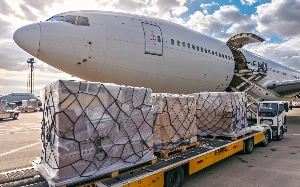
A clear introduction to domestic air freight, including what it means, how it works, and why it matters for urgent and interstate cargo in Australia.

Explore how domestic air cargo moves through Australia, from freight acceptance and handling to flight movement, arrival, and delivery flow.
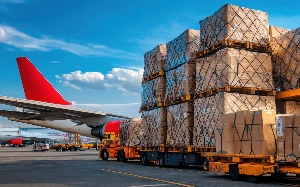
An overview of key domestic air freight routes in Australia, covering major city links, regional corridors, and the role of route demand in cargo movement.
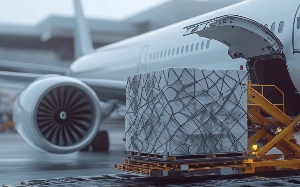
Understand how urgent and time-critical air freight supports fast-moving shipments, priority cargo, and domestic deliveries that cannot afford delay.
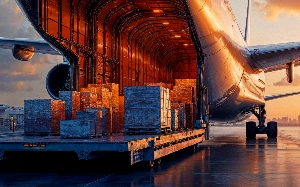
A practical look at the documents and shipment details that help domestic air freight move accurately, safely, and efficiently across Australia.

Learn what shapes air freight pricing in Australia, including chargeable weight, shipment urgency, route demand, and handling requirements.
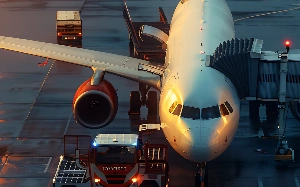
Discover why air freight is essential for regional and remote Australia, where distance, access, and timing can make cargo movement more complex.
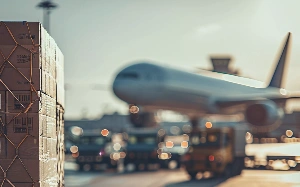
Compare air freight and road freight for domestic deliveries in Australia, including differences in speed, cost, flexibility, and shipment suitability.
SNPY
Australia’s Air Freight Journal
Built with an expert editorial approach, snpy.tv covers air freight Australia wide through useful, relevant, and semantically rich content. Readers can explore how domestic air cargo supports urgent deliveries, interstate trade, regional logistics, and the broader transport network that keeps Australia connected.