
Air Freight Australia Wide
How Air Freight Connects Major Cities, Regional Centres, and Remote Australia
Air freight keeps Australia moving by linking businesses, industries, and communities across vast distances with speed, reach, and operational flexibility.
How Domestic Air Cargo Works in Australia

Written by Jake Dalgarno
Jake Dalgarno is the editorial voice behind snpy.tv, specialising in air freight across Australia. He writes practical, expert-led content that helps readers understand domestic air cargo, urgent freight movement, regional logistics, and the realities of shipping across a vast national network.
Domestic air cargo in Australia works through a coordinated chain of freight booking, cargo acceptance, terminal handling, flight movement, arrival processing, and final delivery or collection. From the outside, it can look simple. A shipment is handed over, it goes on a plane, and it arrives somewhere else. In reality, the process is more structured than that.
Air cargo moves through a controlled system where timing, accuracy, airport procedures, weight, dimensions, handling requirements, and network capacity all matter. This is especially true in Australia, where freight often needs to cross long interstate distances, move between major city hubs, or reach regional and remote locations where timing can make a real commercial difference.
Understanding how domestic air cargo works is important because many people only see the speed of the service, not the operational logic behind it. And that logic matters. Air freight is not just fast transport. It is a time-driven logistics system built around coordination.
This article explains how domestic air cargo works in Australia, what happens at each stage, and why the process depends on more than simply loading freight onto an aircraft.
Domestic Air Cargo Starts With a Transport Decision
Before anything moves, someone has to decide that air cargo is the right mode.
That decision usually comes down to a few practical questions. How urgently is the freight needed? How far does it need to travel? What happens if it arrives late? Is the shipment suitable for air transport in terms of size, weight, and handling? Does the route make air movement commercially sensible?
In Australia, this question matters because the freight network is shaped by geography. A shipment moving from Sydney to Melbourne may be urgent, but it is travelling through a very different operational context than freight moving from Perth to Brisbane, or from a capital city to a regional location with tighter access and fewer time options.
So the first step in how domestic air cargo works is not physical movement. It is choosing air freight because speed, continuity, or operational need justifies it.
Step One: Booking the Shipment
Once air freight is chosen, the shipment enters the booking stage.
This is where the basic transport details are confirmed. The party arranging the shipment needs to provide accurate information about the cargo, including origin, destination, weight, dimensions, timing requirements, and any special handling considerations. These details are not minor administrative points. They affect how the freight is planned and whether it can move smoothly through the air cargo network.
At this stage, the cargo may be assessed for things such as:
- actual weight and size
- volumetric or chargeable weight
- type of goods
- urgency of delivery
- airport route availability
- terminal cut-off times
- packaging condition
- special handling needs
This is also where mistakes can begin if the shipment is not described properly. If the cargo dimensions are wrong, the packaging is not suitable, or the nature of the goods is unclear, the movement process can become slower and more complicated later.
In other words, domestic air cargo works best when the booking information is accurate from the start.
Step Two: Preparing the Cargo for Acceptance
After the booking stage, the freight must be prepared for the air cargo process.
Preparation matters because air freight works within a tighter operational environment than many other transport modes. Cargo needs to be ready to move through acceptance, handling, and loading without unnecessary delay. That means packaging, labelling, and shipment information all need to support the process.
The shipment may need to be checked for:
- correct packaging strength
- visible and accurate labels
- handling instructions
- shipment references
- destination clarity
- weight and dimension accuracy
- compliance with any relevant restrictions
Even where the goods themselves are not highly sensitive, poor presentation can slow the process. A badly packed shipment, unclear labels, or incomplete information can create avoidable friction in a system that depends heavily on time control.
That is one of the most overlooked parts of domestic air cargo. Speed is only possible when the cargo is ready to move cleanly through the network.
Step Three: Cargo Acceptance at the Terminal
Once the freight is ready, it is presented for acceptance into the domestic air cargo system.
Cargo acceptance is where the shipment is formally received and checked before moving further into the network. This is not just a handover point. It is a control stage. The cargo may be examined against the booking details, and the condition of the shipment may be reviewed to ensure that it is suitable for transport.
At this stage, the freight is effectively entering an operational environment where timing matters. Cargo that misses a cut-off time, arrives with incorrect details, or requires corrections may not move as planned. And in air freight, timing problems tend to have wider consequences because aircraft schedules and terminal processes are less forgiving than many people assume.
This is why businesses that use domestic air cargo regularly tend to value process discipline. Late or inaccurate freight does not only create delay. It can disrupt the intended service window altogether.
Step Four: Terminal Handling and Processing
After acceptance, the shipment moves into terminal handling.
This is the stage where freight is processed within the airport cargo environment before being loaded for flight. Depending on the shipment and the route, this may involve sorting, grouping, staging, scanning, reconciling shipment information, and preparing the cargo for uplift.
This part of the process is essential because domestic air cargo is rarely moving as a standalone object in a vacuum. It is usually part of a wider terminal flow involving other shipments, route priorities, capacity constraints, and strict timing sequences.
In practical terms, terminal handling helps ensure that:
- cargo is correctly identified
- shipments are routed to the right movement stream
- freight is staged in time for loading
- special handling needs are visible
- the flow into flight operations remains organised
The cargo terminal is one of the least visible parts of air freight for most customers, but it is one of the most important. If the terminal process is disorganised, even a fast aircraft route cannot deliver consistently good freight performance.
Step Five: Uplift and Flight Movement
Once the cargo is ready and aligned with the planned service, it moves to uplift. In freight terms, uplift refers to the shipment being loaded onto the aircraft for transport.
This is the moment many people think of as the core of air cargo, but it is really only one stage within the larger process. By the time freight is loaded, most of the important control work has already happened. The accuracy of booking information, the condition of the shipment, terminal readiness, timing discipline, and operational coordination all affect whether uplift happens smoothly.
Once airborne, the cargo is in the transit phase. This is the part that gives air freight its obvious commercial advantage. Distances that would take far longer by road can be covered much more quickly through the domestic aviation network.
In Australia, this advantage becomes especially clear on major interstate routes and on movements where delay would create disruption. A long surface freight journey can sometimes be compressed into a much faster air movement, provided the cargo fits the service profile.
Still, flight time alone does not define the total freight process. Air cargo is fast, but it is not teleportation. The origin and destination handling stages still matter.
Step Six: Arrival at the Destination Airport
When the aircraft arrives, the freight enters the destination handling stage.
This part of the process involves recovering the cargo from the aircraft, moving it through arrival procedures, and preparing it for release, transfer, or delivery. Depending on the arrangement, the shipment may be collected from the terminal or moved onward through a final delivery process.
This stage can sound routine, but it is where cargo transitions from air movement back into ground logistics. That handover matters because the shipment is no longer just a flight item. It becomes a delivery outcome.
If the cargo was booked because it was urgent, then the arrival process must support that urgency. Fast flight time loses value if the freight then sits idle or enters a slow recovery chain.
That is why strong domestic air cargo performance depends on both airside and landside coordination. The flight may be central, but the complete service only works when the destination process is equally controlled.
Step Seven: Final Collection or Delivery
The last stage is final release.
Depending on how the shipment was arranged, this may involve collection from the destination terminal or an onward road delivery to the end receiver. This is an important distinction because domestic air cargo is often part of a multi-stage logistics journey rather than a complete door-to-door service on its own.
Many people think of air freight as one direct movement, but in practice it usually includes:
- origin handling
- airport processing
- flight transport
- arrival recovery
- final transfer or pickup
So when asking how domestic air cargo works in Australia, it is better to think of it as a connected logistics chain with an air segment at its centre, not as an isolated flight event.
Why Timing Is So Important in Domestic Air Cargo
Timing shapes everything in air freight.
Cargo has to be booked in time, delivered to acceptance in time, processed through the terminal in time, aligned with flight movement in time, and recovered quickly enough at destination to preserve the value of speed. This is why air freight operations are often built around cut-off times, staging schedules, and tight process windows.
In slower freight modes, some inefficiency can be absorbed without destroying the service outcome. In domestic air cargo, the margin for delay is narrower. A late arrival into the terminal or an issue with shipment information can have a larger effect because the cargo may miss the intended service stream.
That is also why businesses use air freight selectively. The value comes from speed and time control, but those benefits only exist when the shipment is handled properly within the network.
How Route Structure Affects Air Cargo in Australia
Australia’s domestic air cargo system is shaped heavily by route structure.
Major city routes tend to be more active, with stronger business demand and more established freight movement patterns. These routes often support higher shipment volume and more predictable operational flow. On the other hand, regional and remote movements may involve tighter capacity, fewer routing options, or additional coordination pressures.
This matters because not all domestic air cargo moves through the same conditions. A high-demand metro corridor is different from a route that depends on regional access logic. The operational approach, timing expectations, and service flexibility may differ depending on where the shipment is moving.
That is why domestic air cargo in Australia cannot be understood only at the national level. It also has to be understood through route context.
What Can Disrupt the Process?
Domestic air cargo is fast, but it is not immune to disruption.
The process can be affected by issues such as:
- inaccurate booking details
- poor packaging
- missed cut-off times
- terminal congestion
- aircraft capacity pressure
- route timing constraints
- operational delays at origin or destination
- incomplete shipment information
These are not minor side issues. They are part of why air freight requires discipline. The system moves quickly, but that speed depends on correct inputs.
This is also why professional freight handling is often less visible than people expect. When air cargo works smoothly, the process feels simple. When something goes wrong, it becomes obvious how many moving parts were involved.
Why Domestic Air Cargo Is More Than Just “Fast Shipping”
One of the biggest mistakes people make is reducing domestic air cargo to the idea of premium speed.
That description is too shallow. Domestic air cargo is a structured logistics solution used when time changes the business decision. It exists to solve problems that slower freight modes may not handle well enough in a given timeframe.
It helps businesses:
- reduce downtime
- respond to urgent demand
- replenish stock quickly
- move high-priority goods
- support continuity across large distances
- reach destinations where timing matters more than transport economy
So while speed is the visible benefit, the deeper value is operational responsiveness.
Domestic Air Cargo in Australia as a Working System
The clearest way to understand how domestic air cargo works in Australia is to see it as a working system made up of several linked stages.
The shipment is booked.
It is prepared correctly.
It is accepted into the network.
It is handled through the terminal.
It is loaded for flight.
It is flown to destination.
It is recovered and released.
It is collected or delivered onward.
Each stage supports the next. If the early stages are weak, the later speed of air transport cannot fully correct that problem. That is why domestic air cargo works best when the process is treated as a whole rather than a single transport event.
Final Thoughts
Domestic air cargo in Australia works through a tightly managed chain of planning, acceptance, handling, flight movement, and final release. Its strength lies in speed, but its reliability comes from coordination.
For businesses, that makes air cargo more than a fast alternative. It becomes a practical logistics tool when timing is too important to leave to slower transport modes. Across Australia, where distance, urgency, and access all influence freight decisions, domestic air cargo plays a critical role in keeping goods moving when time matters most.
To understand the wider context, read our main guide on domestic air freight in Australia, where we cover routes, pricing, documentation, urgent freight, and the broader role of air cargo across the country.
Related Articles
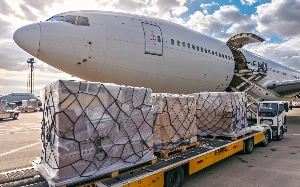
A clear introduction to domestic air freight, including what it means, how it works, and why it matters for urgent and interstate cargo in Australia.
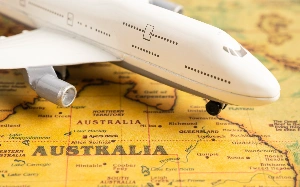
Explore how domestic air cargo moves through Australia, from freight acceptance and handling to flight movement, arrival, and delivery flow.
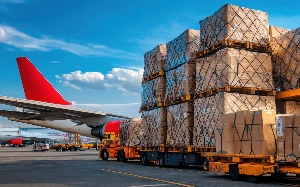
An overview of key domestic air freight routes in Australia, covering major city links, regional corridors, and the role of route demand in cargo movement.
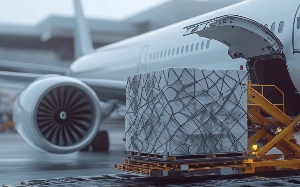
Understand how urgent and time-critical air freight supports fast-moving shipments, priority cargo, and domestic deliveries that cannot afford delay.
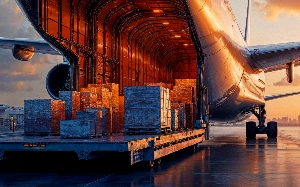
A practical look at the documents and shipment details that help domestic air freight move accurately, safely, and efficiently across Australia.

Learn what shapes air freight pricing in Australia, including chargeable weight, shipment urgency, route demand, and handling requirements.
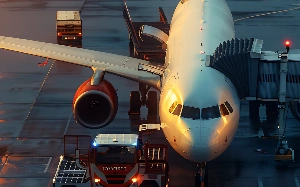
Discover why air freight is essential for regional and remote Australia, where distance, access, and timing can make cargo movement more complex.
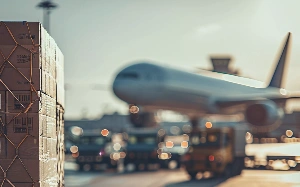
Compare air freight and road freight for domestic deliveries in Australia, including differences in speed, cost, flexibility, and shipment suitability.
SNPY
Australia’s Air Freight Journal
Built with an expert editorial approach, snpy.tv covers air freight Australia wide through useful, relevant, and semantically rich content. Readers can explore how domestic air cargo supports urgent deliveries, interstate trade, regional logistics, and the broader transport network that keeps Australia connected.