
Air Freight Australia Wide
How Air Freight Connects Major Cities, Regional Centres, and Remote Australia
Air freight keeps Australia moving by linking businesses, industries, and communities across vast distances with speed, reach, and operational flexibility.
Urgent and Time-Critical Air Freight in Australia

Written by Jake Dalgarno
Jake Dalgarno is the editorial voice behind snpy.tv, specialising in air freight across Australia. He writes practical, expert-led content that helps readers understand domestic air cargo, urgent freight movement, regional logistics, and the realities of shipping across a vast national network.
Urgent and time-critical air freight in Australia exists for one simple reason: some shipments cannot wait. When timing becomes commercially important, operationally sensitive, or genuinely critical, air freight moves from being an optional transport mode to a necessary logistics decision.
That is the real starting point. Urgent freight is not just “fast shipping” with a premium label. It is a response to time pressure. It is used when a delayed delivery would create a larger problem, whether that problem involves business continuity, equipment downtime, medical supply needs, service disruption, regional access, or missed operational windows.
In Australia, this matters more than many people realise. Distance shapes freight decisions in a very practical way. A shipment moving across the country or into a regional area can face serious delays if handled through slower transport modes. When the timeline is tight, urgent air freight becomes one of the few workable options.
This article explains what urgent and time-critical air freight means in Australia, how it works, when it is used, and why it plays such an important role in domestic logistics.
What Urgent Air Freight Actually Means
Urgent air freight refers to cargo that needs to move quickly enough that standard delivery timing is no longer acceptable.
Time-critical air freight goes one step further. It usually refers to shipments where delay is not just inconvenient but potentially costly, disruptive, or operationally damaging. The difference is not always rigid, but the underlying idea is clear: the shipment matters because timing matters.
That timing pressure may come from different realities, such as:
- a production line waiting on a part
- a critical item needed at a remote site
- stock that must be replenished immediately
- a medical or healthcare-related delivery
- a high-priority shipment linked to service continuity
- cargo needed within a strict business deadline
So while the language sounds dramatic, urgent freight is often less about emotion and more about consequences. The delivery is urgent because the cost of waiting is too high.
Why Urgent Air Freight Matters in Australia
Australia is the kind of country where urgent freight becomes strategically important, not just occasionally useful.
The distances between major cities are large. Regional and remote areas are a real part of the national logistics picture. Some industries operate in environments where downtime is expensive and where waiting for slower transport is not commercially sensible.
That means urgent air freight is not a niche concept. It supports real business and operational needs across sectors such as:
- healthcare
- mining
- industrial services
- retail supply
- manufacturing
- aviation support
- engineering
- specialist distribution
- regional operations
In a smaller or more densely connected country, time-critical freight may be easier to solve through road transport alone. In Australia, that is often not the case. Distance turns delay into a more serious problem.
The Difference Between Standard Freight and Time-Critical Freight
Not every shipment that moves quickly should be called time-critical.
Standard freight may still be important, but it is generally planned within a normal service expectation. Urgent or time-critical freight is different because the timeline has much less flexibility. The shipment is not simply being moved efficiently. It is being moved because timing failure would have a real effect.
That effect may be:
- financial loss
- operational downtime
- missed customer commitments
- interrupted service delivery
- stock shortage
- project delay
- reduced business continuity
This is the key distinction. Standard freight is scheduled movement. Time-critical freight is consequence-sensitive movement.
What Types of Shipments Become Urgent?
A wide range of domestic cargo can become urgent depending on the situation.
In many cases, the goods themselves are not unusual. What changes is the context. A routine part becomes urgent when machinery is down. Replacement stock becomes urgent when shelves or supply channels are empty. Documents become urgent when they are tied to a fixed operational deadline.
Typical examples of urgent or time-critical air freight may include:
- replacement machine parts
- engineering components
- medical supplies
- healthcare-related shipments
- urgent retail stock replenishment
- specialist tools or equipment
- electronics and high-value parts
- repair items
- operational support cargo
- critical business documents
The cargo does not have to be dramatic to be important. In freight, urgency usually comes from timing pressure, not from appearance.
Why Businesses Choose Air Freight for Urgent Cargo
Businesses choose air freight for urgent cargo because slower modes may fail the timeline.
Road freight remains essential in Australia and often makes sense for normal delivery planning. But if a shipment needs to move quickly across long interstate distances, or if a business cannot absorb extra delay, air freight becomes more practical.
The decision usually comes down to a simple calculation:
What costs more, the freight charge or the consequences of waiting?
If the cost of delay is greater, then urgent air freight may be the smarter choice even if the transport rate is higher. That is why time-critical freight is often more about protecting value than simply paying for speed.
How Urgent Air Freight Works
Urgent air freight works through the same broad domestic air cargo system as other shipments, but the planning and operational priority are tighter.
The shipment is booked with an emphasis on speed, timing, and service fit. The cargo must be described accurately, prepared correctly, and delivered into the freight process without unnecessary delay. Cut-off times become more important. Handling discipline becomes more important. Terminal coordination becomes more important.
The typical flow still includes:
- booking
- cargo preparation
- freight acceptance
- terminal handling
- uplift onto aircraft
- flight movement
- arrival processing
- final collection or onward delivery
What changes is the pressure on each stage. A normal shipment may tolerate small inefficiencies. A time-critical shipment often cannot.
That is why urgent freight depends on more than aircraft speed. It depends on the entire handling chain being aligned with the required timeline.
Timing Is the Product
One of the clearest ways to understand urgent air freight is this: timing is the actual product.
The shipment is not paying only for physical transport. It is paying for the ability to reduce delay, protect continuity, and meet a narrow operational window. That is why urgent freight should never be understood as just “premium shipping.”
The value comes from:
- compressed transit time
- faster interstate movement
- reduced business interruption
- improved continuity
- quicker response to unexpected need
- stronger control over time-sensitive outcomes
This also explains why urgent freight is selective. Not every shipment needs this level of timing control. But when it does, the difference can be commercially significant.
Industries That Commonly Rely on Time-Critical Air Freight
Urgent and time-critical air freight is especially relevant to industries where delay has a direct cost.
Healthcare
Healthcare-related shipments may require fast movement because timing affects patient support, treatment continuity, or operational readiness.
Mining and Remote Operations
Remote sites often cannot wait for extended freight timelines when key parts or equipment are needed.
Manufacturing
A delayed component can interrupt production and create wider downstream disruption.
Retail and Distribution
Fast replenishment may be necessary when stockouts threaten sales or customer commitments.
Engineering and Technical Services
Specialist tools, repair components, or urgent replacement items often need to move quickly.
Aviation and Transport Support
Where equipment or parts affect ongoing movement or serviceability, timing becomes especially important.
These sectors differ, but the logic is the same. Time-sensitive cargo is used when a slower freight response would create more damage than the transport savings would justify.
Major City Routes and Urgent Interstate Freight
Urgent domestic air freight is especially relevant on long interstate routes between major cities.
A shipment moving between Sydney, Melbourne, Brisbane, Perth, Adelaide, or Darwin may involve a timeline that is difficult to meet through road-only transport if the need is immediate. This is where the speed of the domestic air network becomes a practical advantage.
On these routes, urgent freight may be used for:
- same-day or next-available movement needs
- rapid stock transfer
- critical business support
- equipment replacement
- high-priority commercial cargo
The longer the distance and the narrower the delivery window, the more useful air freight tends to become.
Regional and Remote Urgency
Urgent freight becomes even more important when the destination is regional or remote.
In those cases, air transport may not simply be the fastest option. It may be the only realistic option for meeting a required timeline. This is particularly relevant in Australia, where some locations are harder to serve quickly through surface transport alone.
Regional and remote urgent freight may support:
- healthcare access
- remote site operations
- critical replacement items
- business continuity outside metro areas
- essential supply needs
This is where the strategic value of time-critical air freight becomes most obvious. It is not just about efficiency. It is about access under time pressure.
What Makes a Shipment Truly Time-Critical?
A shipment becomes truly time-critical when missing the timing target creates an unacceptable outcome.
That outcome may be operational, financial, or service-related. Common factors include:
Downtime Risk
If equipment, systems, or sites are waiting on the shipment, delay can create direct cost.
Fixed Delivery Window
Some cargo must arrive within a specific window to remain useful.
Service Continuity
If the shipment supports an active service or business commitment, lateness may disrupt broader operations.
High Commercial Sensitivity
Some deliveries matter because the business impact of failure is immediate.
Limited Alternatives
If road freight is too slow and there is no practical backup option, air freight becomes more critical.
In short, time-critical freight is defined by the consequences of delay, not just by the desire for convenience.
What Can Go Wrong With Urgent Freight?
Urgent air freight is built for speed, but speed does not eliminate risk. In fact, it often reduces the margin for error.
Problems may arise from:
- inaccurate booking details
- incorrect dimensions or weight
- poor packaging
- unclear shipment information
- late arrival to cut-off
- operational delays in handling
- route timing constraints
- incomplete coordination at destination
That is why urgent freight demands discipline. Businesses sometimes assume that paying for faster transport solves everything. It does not. If the shipment is not ready or the details are wrong, the urgency only makes the weaknesses more visible.
The Cost Logic Behind Urgent Air Freight
Urgent air freight is usually more expensive than slower transport modes, but that fact on its own tells very little.
The better question is whether the freight cost is justified by the value of time saved.
For example, urgent air freight may be commercially rational when it helps avoid:
- equipment downtime
- delayed production
- missed delivery commitments
- critical stock shortages
- disrupted field operations
- revenue loss caused by waiting
This is where many freight decisions are misunderstood. A higher freight rate does not automatically mean poor value. In time-critical situations, the cheaper mode may actually be the more expensive decision if it causes a larger operational loss.
Urgent Freight Is Not Only for Emergencies
Another common mistake is assuming urgent air freight is only used in crisis situations.
In reality, many urgent shipments are part of normal business responsiveness. They are not always dramatic. Sometimes a company needs to rebalance stock quickly. Sometimes a part is needed sooner than expected. Sometimes a planned supply window tightens and air freight becomes the best available response.
So while urgent freight can absolutely support emergency-style needs, it is also a practical business tool used to protect timing under pressure.
Why Preparation Matters More When Time Is Tight
The faster the required timeline, the more important preparation becomes.
That includes:
- accurate shipment details
- correct packaging
- clear labels
- proper handling information
- readiness for acceptance
- strong coordination at both ends
Urgent freight works best when the cargo enters the network cleanly and without avoidable complications. There is less room for rework, correction, or uncertainty. If the shipment is badly prepared, time is lost before the aircraft even matters.
That is one of the most important truths about time-critical freight in Australia: the speed of the service depends on the quality of the process.
Urgent Air Freight as a Business Continuity Tool
At a broader level, urgent air freight should be seen as a business continuity tool.
It helps businesses recover faster from disruption, respond faster to unexpected demand, and protect operations when ordinary transport timing is no longer enough. That makes it valuable not only as a transport service, but as part of a wider resilience strategy.
In Australia, where distance can quickly turn delay into a more serious issue, this role is especially important. Urgent air freight gives businesses a faster response path when time becomes the main risk.
Final Thoughts
Urgent and time-critical air freight in Australia is about far more than moving cargo quickly. It is about protecting continuity, reducing the cost of delay, and responding to situations where timing directly affects outcomes.
For some shipments, road freight remains the right answer. But when a delivery cannot wait, when distance works against the timeline, or when operational disruption is already in motion, air freight becomes one of the most practical tools available.
That is why urgent air cargo matters. It turns speed into a logistics advantage at the exact moment when time has the highest value.
For a broader understanding of the subject, read our main guide to domestic air freight in Australia, where we explore routes, pricing, operations, documentation, and the wider role of air cargo across the country.
Related Articles
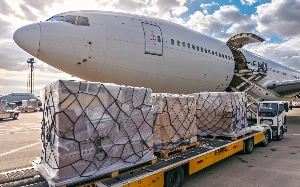
A clear introduction to domestic air freight, including what it means, how it works, and why it matters for urgent and interstate cargo in Australia.

Explore how domestic air cargo moves through Australia, from freight acceptance and handling to flight movement, arrival, and delivery flow.
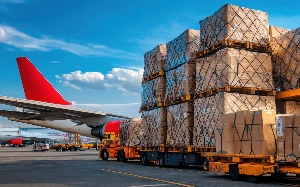
An overview of key domestic air freight routes in Australia, covering major city links, regional corridors, and the role of route demand in cargo movement.
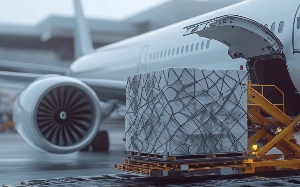
Understand how urgent and time-critical air freight supports fast-moving shipments, priority cargo, and domestic deliveries that cannot afford delay.
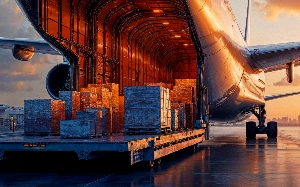
A practical look at the documents and shipment details that help domestic air freight move accurately, safely, and efficiently across Australia.

Learn what shapes air freight pricing in Australia, including chargeable weight, shipment urgency, route demand, and handling requirements.
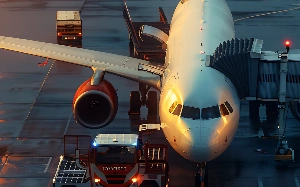
Discover why air freight is essential for regional and remote Australia, where distance, access, and timing can make cargo movement more complex.
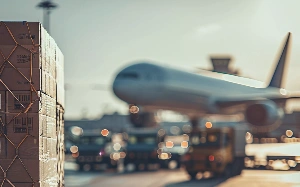
Compare air freight and road freight for domestic deliveries in Australia, including differences in speed, cost, flexibility, and shipment suitability.
SNPY
Australia’s Air Freight Journal
Built with an expert editorial approach, snpy.tv covers air freight Australia wide through useful, relevant, and semantically rich content. Readers can explore how domestic air cargo supports urgent deliveries, interstate trade, regional logistics, and the broader transport network that keeps Australia connected.