
Air Freight Australia Wide
How Air Freight Connects Major Cities, Regional Centres, and Remote Australia
Air freight keeps Australia moving by linking businesses, industries, and communities across vast distances with speed, reach, and operational flexibility.
What Is Domestic Air Freight?

Written by Jake Dalgarno
Jake Dalgarno is the editorial voice behind snpy.tv, specialising in air freight across Australia. He writes practical, expert-led content that helps readers understand domestic air cargo, urgent freight movement, regional logistics, and the realities of shipping across a vast national network.
Domestic air freight is the movement of cargo by air within the same country. In Australia, it usually refers to shipments transported between cities, regional centres, and remote areas using domestic airline networks, dedicated cargo services, or aircraft capacity allocated for freight.
At a basic level, that sounds simple enough: goods move by plane from one place to another. But in practice, domestic air freight is far more important than many people realise. It supports urgent deliveries, time-sensitive supply chains, critical business operations, healthcare logistics, industrial activity, and regional access across a country where distance is a constant operational factor.
Australia is not a small, compact freight environment. It is a large national market spread across major metropolitan hubs, coastal cities, inland business centres, mining regions, agricultural areas, and isolated communities. Because of that, domestic air freight plays a very specific role. It is not the cheapest way to move cargo, and it is not always necessary. But when speed, reliability, access, or urgency matter most, air freight becomes one of the most practical transport options available.
This article explains what domestic air freight is, how it works in Australia, when it makes sense, and why it remains such an important part of the wider freight and logistics system.
Understanding Domestic Air Freight in Simple Terms
Domestic air freight is used when goods need to be transported within national borders by aircraft rather than by road, rail, or sea. The shipment may move from Sydney to Perth, Melbourne to Brisbane, Adelaide to Darwin, or from a major city to a regional or remote location where time is critical or distance makes ground transport less efficient.
The cargo itself can vary widely. Domestic air freight may include:
- urgent spare parts
- medical supplies
- retail inventory
- industrial components
- business-critical documents
- perishable goods
- high-value products
- e-commerce shipments
- time-sensitive replacement stock
The core reason businesses choose domestic air freight is simple: speed. But speed is only one part of the story. Domestic air cargo is also about timing, continuity, and operational pressure. A delayed shipment can stop a production line, affect a hospital supply need, disrupt a remote site, or create costly downtime for a business. In those situations, air freight is not just faster. It is strategically necessary.
How Domestic Air Freight Fits Into Australia
Domestic air freight matters in Australia because geography shapes logistics decisions more than many people first assume.
A delivery moving across a densely connected urban region may be handled efficiently by road. But when cargo needs to cross very large distances or reach locations where road transit is too slow, air freight becomes more relevant. This is especially true in a country where the gap between major markets can be substantial, and where regional or remote freight access may involve tighter delivery windows or more demanding transport planning.
In the Australian context, domestic air freight often supports:
- interstate cargo movement between major cities
- fast replenishment for businesses
- urgent operational freight
- regional access where speed matters
- remote deliveries where time loss creates higher cost
- industries that depend on continuity rather than convenience
That is why domestic air freight is closely tied to sectors such as healthcare, mining, industrial services, retail supply, manufacturing, aviation support, and specialist distribution.
How Domestic Air Freight Works
Although the process can vary depending on the shipment, the route, and the carrier arrangement, domestic air freight usually follows a fairly structured flow.
First, the cargo is booked for transport. The shipment details need to be accurate, including weight, dimensions, delivery timing, origin, destination, and any handling requirements.
Next, the cargo is received and prepared for movement. This may include checking packaging, labels, freight information, and whether the goods need any special handling. If the shipment includes regulated items or sensitive cargo, the requirements become more specific.
The cargo is then accepted into the freight network, moved through the relevant terminal process, loaded for air transport, and flown to the destination airport. Once it arrives, it is recovered, processed, and released for final collection or onward delivery.
From the outside, air freight can appear instant. In reality, it depends on a chain of operational precision. Cut-off times, aircraft capacity, terminal handling, route schedules, airport processes, and delivery coordination all matter.
That is why domestic air freight is not simply about putting boxes on a plane. It is a managed logistics process built around timing and control.
Why Businesses Use Domestic Air Freight
The most obvious reason is speed, but that answer is incomplete on its own.
Businesses use domestic air freight because the cost of delay can sometimes be greater than the cost of transport. If a shipment is needed urgently, then waiting for slower transport may not be commercially sensible. In other cases, the cargo itself may justify air transport because it is valuable, perishable, operationally important, or needed within a strict delivery window.
Some common reasons for using domestic air freight include:
Urgent Delivery Requirements
When a shipment must arrive quickly, air freight can reduce transit time significantly compared with road or other modes.
Time-Critical Operations
Some industries cannot afford to wait. If a component is needed for machinery, infrastructure, or an active site, delays may create operational disruption or financial loss.
Long-Distance Interstate Transport
Australia’s major cities are separated by meaningful distance. For certain deliveries, air freight makes more sense than waiting for multi-day road transit.
Regional and Remote Supply Needs
In some parts of Australia, distance and access can change the freight equation. Air transport may offer a more viable path for urgent goods.
Sensitive or High-Value Cargo
Certain shipments benefit from tighter transit windows and more controlled movement.
Supply Chain Continuity
Air freight is sometimes used not as the everyday default, but as the problem-solving tool when a business needs to protect continuity.
This is where many people misunderstand freight. They assume air freight is only for emergencies. In reality, it is often used as a planned logistics decision where speed, reliability, and service level matter.
Domestic Air Freight vs Other Freight Modes
Domestic air freight does not replace road freight, and it is not meant to. Each freight mode serves a different purpose.
Road freight is generally more economical for many standard deliveries, especially when timing is less urgent and routes are straightforward. It also offers broader flexibility for some door-to-door transport needs.
Air freight, however, becomes attractive when time is the main variable. A shipment that takes much longer by road may justify air movement if the business impact of waiting is too high.
That is the real comparison. It is not only about transport price. It is about the cost of time, the cost of delay, and the importance of getting the shipment where it needs to be without missing the operational window.
In other words, air freight is usually not the lowest-cost mode, but in the right context it can be the more efficient decision.
What Types of Goods Move by Domestic Air Freight?
Domestic air freight can handle a broad range of cargo, but it is especially useful for goods that need one or more of the following:
- fast transit
- dependable timing
- careful coordination
- commercial urgency
- access across large distances
Typical examples may include:
- urgent business inventory
- replacement machine parts
- engineering components
- healthcare-related supplies
- perishable commercial goods
- electronics and high-value products
- retail replenishment stock
- specialist freight for remote sites
The cargo still needs to be properly prepared, described, and packed for transport. Even when a shipment is urgent, accuracy matters. Incorrect details, poor packaging, or incomplete freight information can slow the process and create avoidable complications.
Is Domestic Air Freight Only for Large Businesses?
No. Large businesses make frequent use of domestic air freight because they often have more complex supply chains, but the service is not limited to big corporations.
Small businesses, distributors, regional operators, online sellers, industrial contractors, and specialist service providers may all use domestic air freight when the circumstances require it. The deciding factor is not company size. It is shipment urgency, cargo value, distance, time pressure, and the commercial effect of late delivery.
A small business that urgently needs stock in another state may have just as much reason to use air freight as a larger operation. In some cases, smaller businesses rely on fast freight more heavily because they cannot absorb delays as easily.
What Affects Domestic Air Freight Decisions?
Not every shipment should go by air, and the decision usually depends on several factors working together.
These often include:
Delivery Timeframe
How quickly does the cargo need to arrive?
Shipment Size and Weight
Air freight pricing is affected by physical weight and volumetric considerations.
Cargo Type
Some goods are more suited to air transport than others.
Route and Access
A major city route may be more straightforward than a regional or remote shipment.
Operational Importance
What happens if the cargo arrives late?
Cost Sensitivity
Is the shipment urgent enough to justify air freight pricing?
This is why domestic air freight is best understood as a decision-making tool, not just a transport label. It solves a particular type of logistics problem.
The Role of Domestic Air Freight in Modern Supply Chains
Modern supply chains are under constant pressure to move faster, respond faster, and recover faster when disruptions happen.
Domestic air freight helps businesses do that. It supports speed where road transport may be too slow, and it provides a way to respond when timing becomes the priority. This makes air cargo especially useful in situations involving stock shortages, urgent repairs, critical deliveries, and operational continuity.
It also acts as a balancing mechanism in the wider freight network. When standard transport options do not align with the required timeline, air freight can provide a faster alternative that helps reduce downstream disruption.
In that sense, domestic air freight is not only about transportation. It is part of risk management, service reliability, and business responsiveness.
Common Misunderstandings About Domestic Air Freight
One common mistake is thinking that domestic air freight is only for emergency cargo. That is not true. Many shipments move by air because the delivery timeline is commercially important, not because the situation is dramatic.
Another mistake is assuming air freight is automatically the best choice for any fast shipment. It is not. If the cargo is bulky, low-priority, or cost-sensitive without strong urgency, another freight mode may make more sense.
A third misunderstanding is treating air freight as a simple premium version of transport. In reality, it has its own operating logic. Capacity, timing, documentation, handling requirements, and route availability all shape how it works.
That is why informed freight decisions require more than a surface-level assumption that faster always means better.
Domestic Air Freight in Australia: A Practical Definition
If the term still feels broad, the most practical definition is this:
Domestic air freight is the use of Australia’s internal air transport network to move cargo quickly between locations when time, distance, urgency, or operational need make air transport the most suitable option.
That definition matters because it goes beyond the basic phrase. It reflects the real reason domestic air freight exists in a market like Australia.
It is not simply a transport category. It is a logistics solution built for situations where time matters enough to change the mode of movement.
Final Thoughts
Domestic air freight is one of the most important fast-response freight options within Australia. It supports urgent deliveries, interstate movement, regional access, and time-sensitive supply chains across a country where geography has a direct impact on logistics.
For businesses, it offers a way to protect timing, reduce disruption, and move important cargo when standard delivery methods may not be fast enough. For the wider transport system, it provides flexibility in a national freight environment where speed and access often define commercial outcomes.
At its core, domestic air freight is about more than aircraft and cargo. It is about solving the problem of distance under time pressure.
If you want a broader look at the topic, see our main guide to domestic air freight in Australia, where we explore routes, operations, pricing, documentation, and the wider role of air cargo across the country.
Related Articles
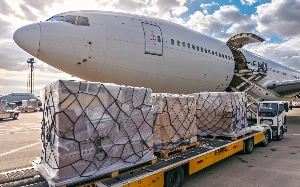
A clear introduction to domestic air freight, including what it means, how it works, and why it matters for urgent and interstate cargo in Australia.

Explore how domestic air cargo moves through Australia, from freight acceptance and handling to flight movement, arrival, and delivery flow.
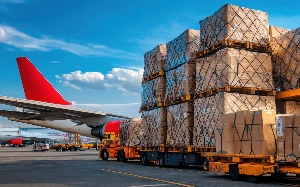
An overview of key domestic air freight routes in Australia, covering major city links, regional corridors, and the role of route demand in cargo movement.
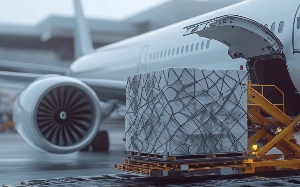
Understand how urgent and time-critical air freight supports fast-moving shipments, priority cargo, and domestic deliveries that cannot afford delay.
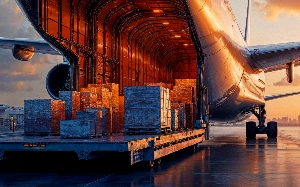
A practical look at the documents and shipment details that help domestic air freight move accurately, safely, and efficiently across Australia.

Learn what shapes air freight pricing in Australia, including chargeable weight, shipment urgency, route demand, and handling requirements.
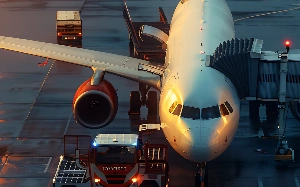
Discover why air freight is essential for regional and remote Australia, where distance, access, and timing can make cargo movement more complex.
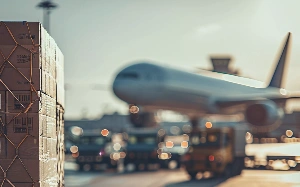
Compare air freight and road freight for domestic deliveries in Australia, including differences in speed, cost, flexibility, and shipment suitability.
SNPY
Australia’s Air Freight Journal
Built with an expert editorial approach, snpy.tv covers air freight Australia wide through useful, relevant, and semantically rich content. Readers can explore how domestic air cargo supports urgent deliveries, interstate trade, regional logistics, and the broader transport network that keeps Australia connected.